
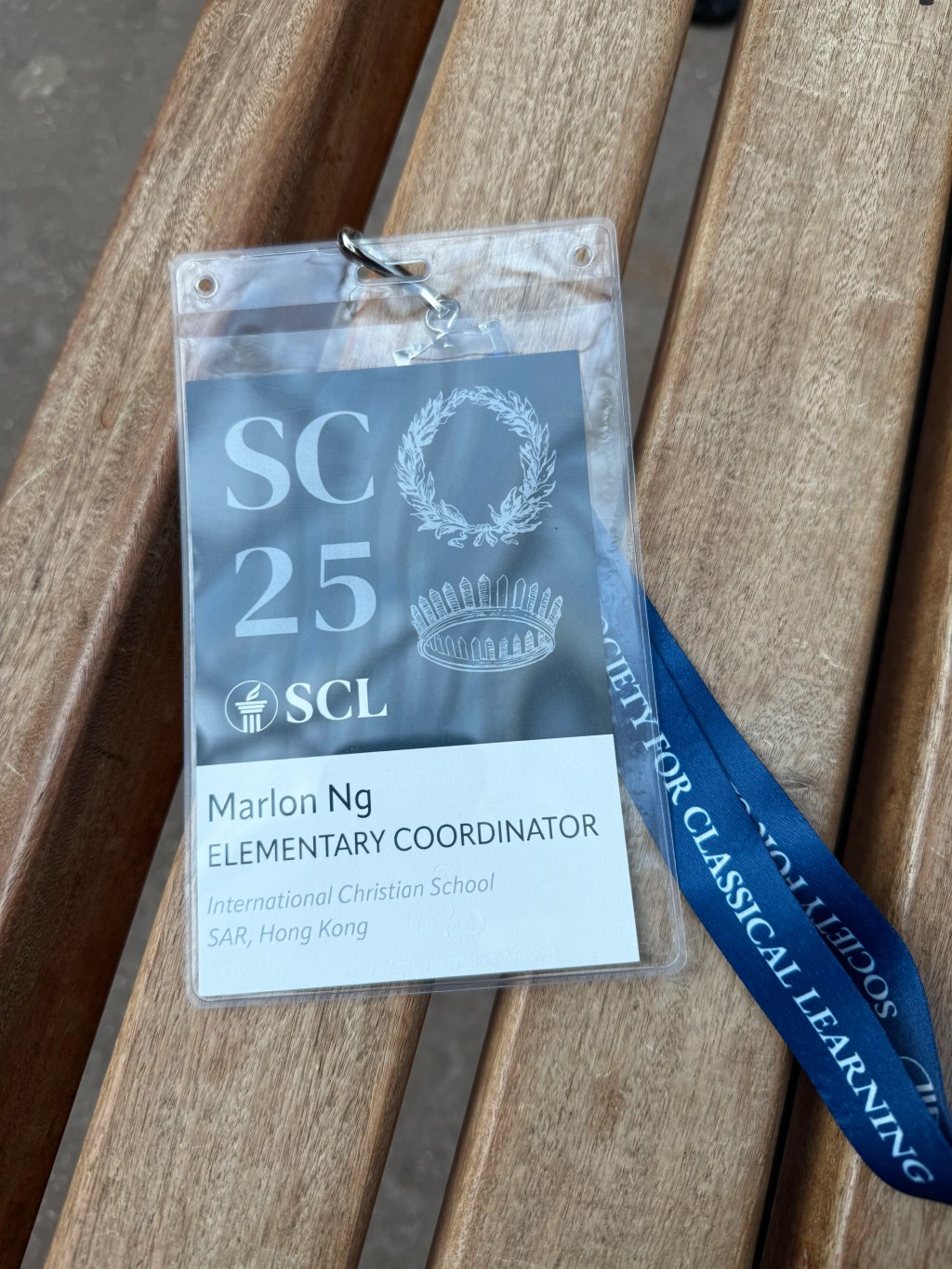
This summer, I had the privilege of attending the Society for Classical Learning (SCL) conference in Dallas—and what a gathering it was. With plenaries, breakout sessions, and hallway conversations, it felt like stepping into a grand banquet hall of ideas. And though this was my first visit to Texas, the conference left me with far more than memories of Tex-Mex food and cowboy hats. Three ideas stood out and will guide how I think about supporting our teachers and leadership in the coming school year.
Here they are:
1. Character & Virtue: Education as Love-Formation
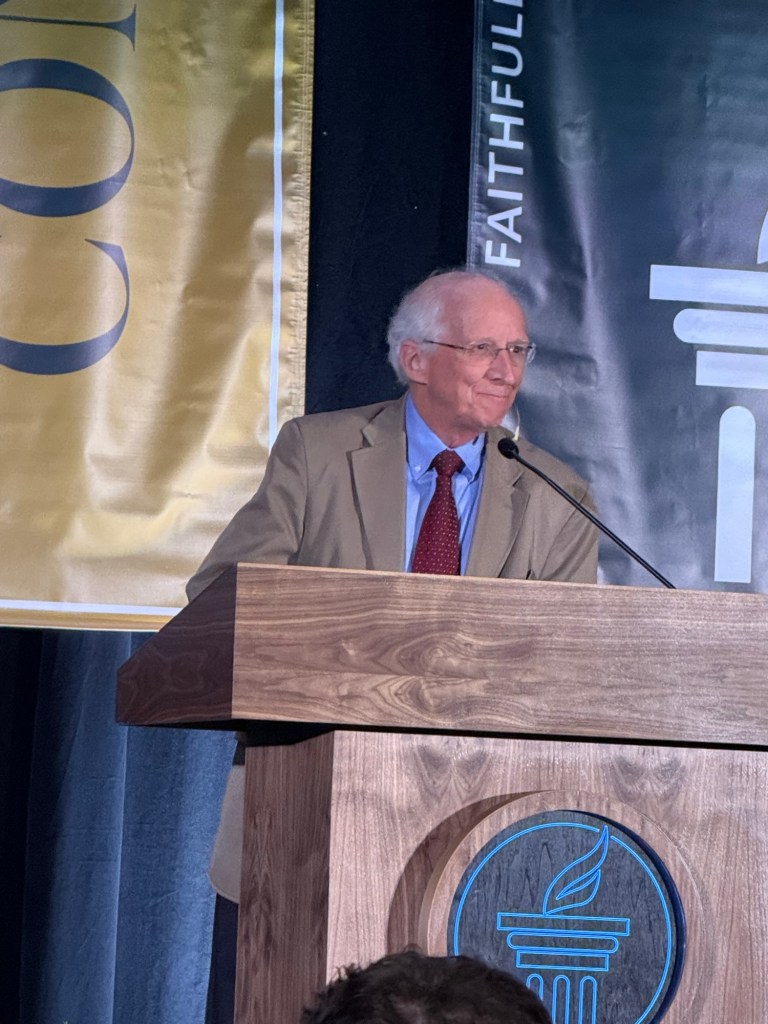
A recurring thread throughout the conference was this: education is not merely cognitive—it’s moral. John Piper’s keynote drove this home beautifully, reminding us that our highest purpose is to glorify and enjoy God, cultivating in students a delight in what is true, good, and beautiful. That phrase, delight in God, became a melody I carried with me over the three days.
Many presenters echoed this conviction that education isn’t just about delivering content—it’s about forming loves. In the Nurturing Mathematical Minds breakout session, Moore and Moore reminded us that a teacher’s role goes beyond teaching addition and subtraction. It’s about inspiring students to love perseverance and embrace the struggle of learning. They challenged us to help students see assessments differently—not as defining their worth, but as signposts along the journey. The goal? To help students embrace assessments and even grow to love them.
Teachers are not neutral conveyors of knowledge; we’re guides, shaping virtue in our students’ souls. Every lesson, then, becomes a sacred invitation—to delight, to wrestle, to grow.
2. Integrated Learning: Mind and Hand
I attended a fascinating session led by Marrs called Where There’s Smoke, There’s Learning. It was all about weaving the common arts into the curriculum in ways that make history come alive. We didn’t just talk about American Westward Expansion; we crafted leather straps, heated wire to brand them, and experienced the past with all our senses.
This hands-on approach was a beautiful reminder that education isn’t only about reading or memorizing facts—it’s about engaging both mind and body. It’s about blending language, history, and craftsmanship into a holistic experience.

This embodied way of learning deeply resonated with me. Human experience isn’t confined to the artificial boundaries of academic disciplines. Every subject is an opportunity to integrate with others, shaping the whole person—mind, heart, body, and spirit.
3. Flourishing Community & Faculty Culture
None of this happens in isolation. The third big idea from the conference was clear: community matters.
In Elizalde’s pre-conference workshop, we leaned into the idea of a Christ-centered faculty culture—one built on gratitude, vulnerability, flexibility, and symbolic gestures that create belonging. We learned that productive faculty conversations require both “warm” affirmations and “cool” challenges, grounded in trust.
Schools depend on what Elizalde called relational capital. When faculty truly know and care for one another, everything—curriculum alignment, student support, and even soul formation—grows stronger.
Another session by Collin’s Who’s in Charge Here? Curriculum as the Path Forward framed this idea beautifully. Yes, clarity in curriculum, pathways, and assessments is essential. But that clarity arises from shared understanding—not top-down mandates. Collaboration at every level—committee, department, and classroom—binds a community together around its mission.
Looking Ahead
Dallas was truly a feast—for the mind, soul, hands, and heart. If there was a single thread running through every session, it was this: true education is a community-bound, embodied, virtue-anchored journey toward what is true, good, and beautiful. As I reflect on these insights from a coordinator’s perspective, I plan to ask myself these questions throughout the next school year.
Virtue & Delight: How can I support our teachers in cultivating their humility, curiosity, and courage to enjoy God?
Embodied Learning: How can our curriculum build wonder, surprise, and tactile engagement to deepen our students’ understanding of topics?
Community Culture: How can we as a community foster trust, joy, and collegial vulnerability as the foundation for sustainable excellence?

 Behind the Curriculum Curtain
Leave a comment